
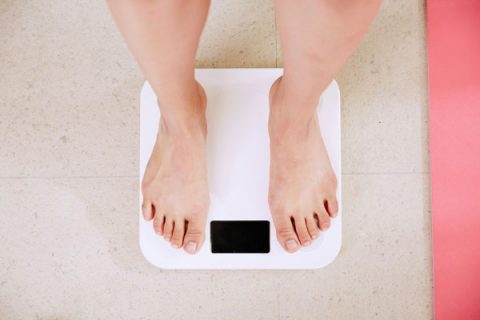
According to domestic data, 40% of adult men in Hungary are overweight (BMI > 25) and 25% are obese (BMI > 30). Among women, 29% are overweight and 23% are obese.
Among those aged 65 and older, these rates are even worse, with 42.5% being overweight and 30% obese.
Many patients hope that they will lose weight after orthopedic surgery because their mobility improves. Numerous studies refute this notion; improved mobility alone is not enough to achieve weight loss.
Weight loss is of paramount importance before orthopedic surgery, as it improves surgical outcomes and shortens recovery time.
Even before surgery, a 10% reduction in body weight can help reduce joint pain by 50%, as it decreases the load on the joints.
Obesity is associated with numerous comorbidities (metabolic syndrome, diabetes, cardiovascular diseases, elevated uric acid levels, obstructive sleep apnea, etc.), which pose an increased risk in the context of orthopedic surgery. Furthermore, inflammatory factors produced by adipose tissue
contribute to the development and progression of chronic joint inflammation.
Obesity increases the likelihood of postoperative complications, such as infection, deterioration of the patient’s condition, blood loss, and venous thrombosis, and as a result, the rehabilitation period may be longer overall.
Significant weight loss can be achieved through appropriate dietary changes: