The first step in an orthopaedic specialist examination is to take a history of the patient’s previous musculoskeletal history, including previous musculoskeletal diseases, operations, accidents (fractures, sprains, dislocations) and lifestyle information (sport, work). If the injured person can remember the exact mechanism of their injury, and perhaps even show it on film, this can greatly speed up the correct diagnosis.
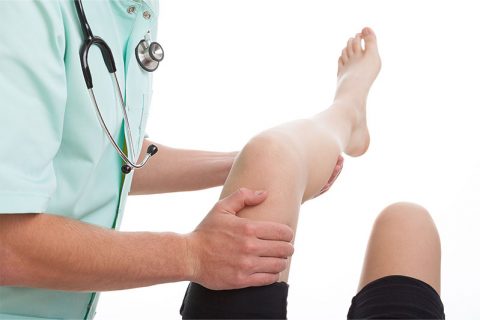
The second step is a physical examination, during which the orthopaedic specialist examines the patient’s gait, posture, joint range of motion and stability, and compares the condition of the intact and injured limbs. If necessary, he takes measurements using instruments (protractor, protractor, arthrometer, hand dynamometer).
If necessary, we can arrange for multidirectional X-rays to be taken during the appointment, and many of our specialists also complement the physical examination with ultrasound diagnostics. If necessary, we can suggest where our patients can have MR or, less frequently, CT scans performed as quickly and as well as possible.
Unfortunately, in our private practice, only a thorough examination and therapeutic recommendation of a single body part is possible at the time of the first outpatient examination, in order to allow our specialists to keep the appointments as accurately as possible, so we ask for your understanding.
The next step after referral is imaging diagnostics, which may include X-rays, ultrasound or MRI/CT scans.
In our clinic, ultrasound and X-ray examinations are available.